PROJECTS

Projects from
Ohashi Laboratory

PROLOGUE

Transition Design —
Our Methodology

Climate change, aging populations, food insecurity, educational inequality—these are Wicked Problems in which multiple issues interlock, resisting any single solution. What is required is transition: a fundamental transformation of socio-technical systems encompassing technology, institutions, markets, culture, and human values.

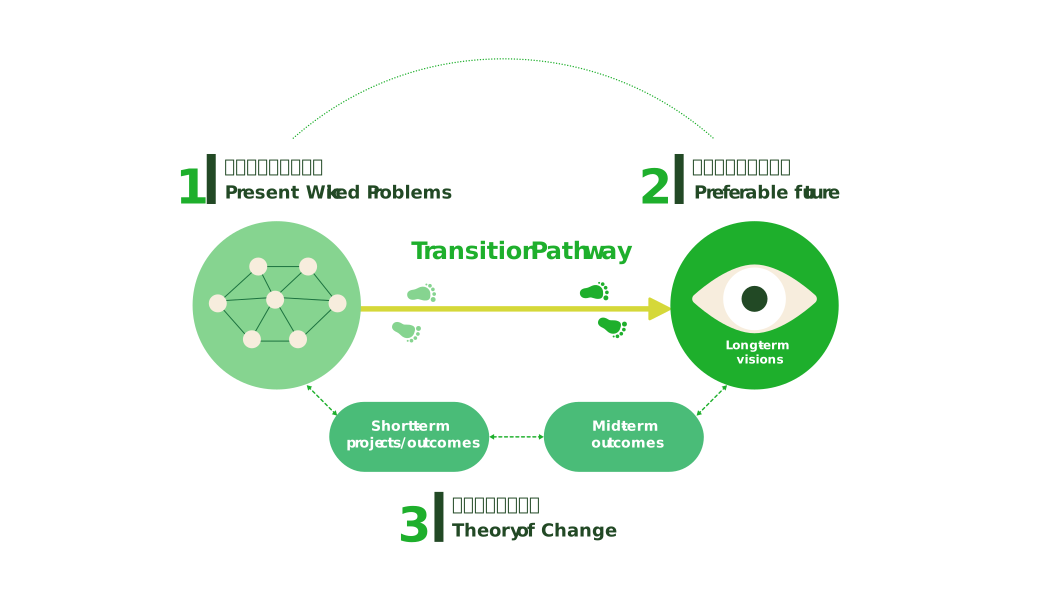
Transition Design is a methodology that maps the structure of present-day wicked problems with diverse stakeholders, envisions preferable futures beyond the trajectory of the current regime, and designs transition pathways—theories of change—to realize those futures.

Ohashi Lab applies this methodology across domains including food and agriculture, disaster risk, care, education, and deep tech, deepening the methodology itself through continuous iteration between theory and practice. Our work extends beyond the lab through the Transition Design Study Group for international knowledge exchange, the Institute for Transition Ecosystems for building social implementation infrastructure, and the Semiconductor Innovation and Co-creation Arena (SiCA) for simultaneously advancing talent development and societal transformation.

01

Transition Design Toward a Sustainable Protein Supply System

Livestock production today faces a major turning point in terms of environmental impact and animal welfare. Greenhouse gas emissions, land use for feed production, intensive water consumption, and pollution from livestock waste are all on the table. A transition toward organic and welfare-friendly husbandry is underway, alongside the development of plant-based and cultured-meat alternatives.

Our ways of supplying and consuming protein need to change—but the direction of the shift, the definition of "sustainable food," and how we can continue to enjoy meat in the future remain unsettled. Working with stakeholders across the food supply chain, the lab maps the current state, envisions futures, and explores what concrete actions can make sustainable choices a matter of course.

PRODUCTION SIDE

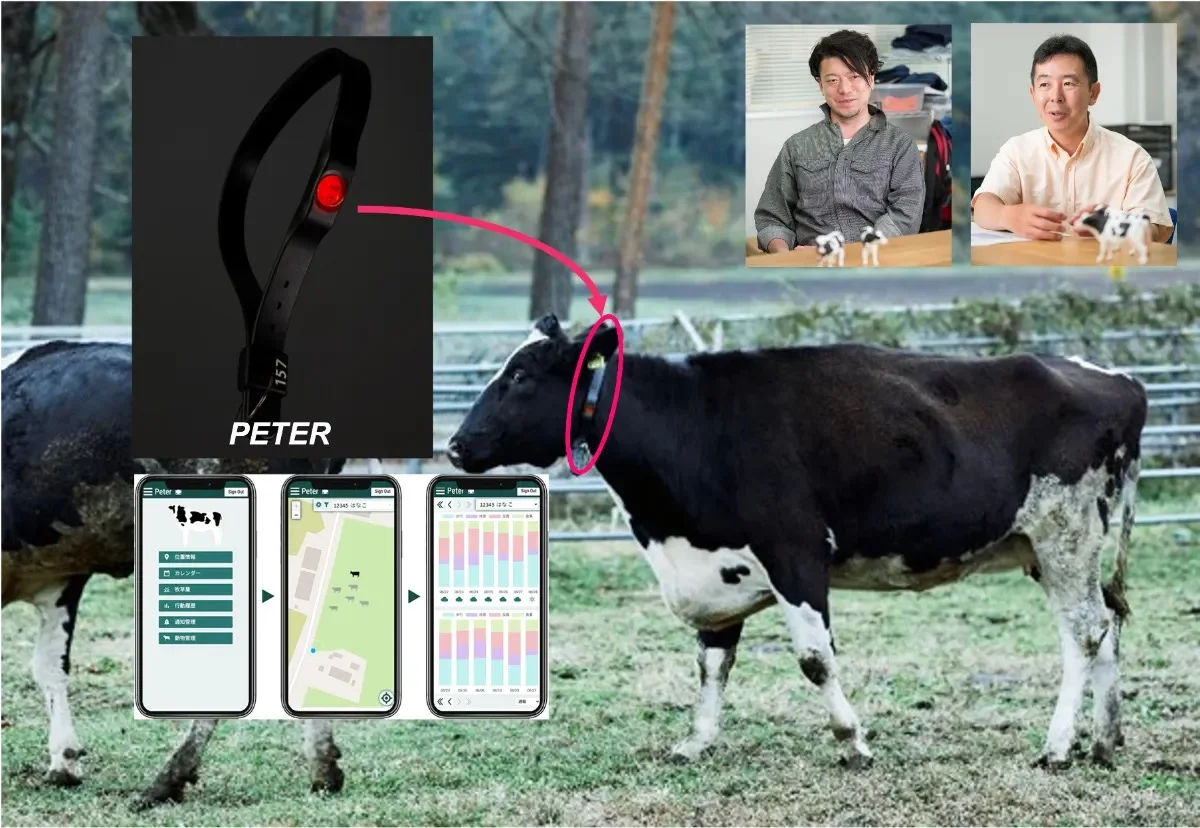
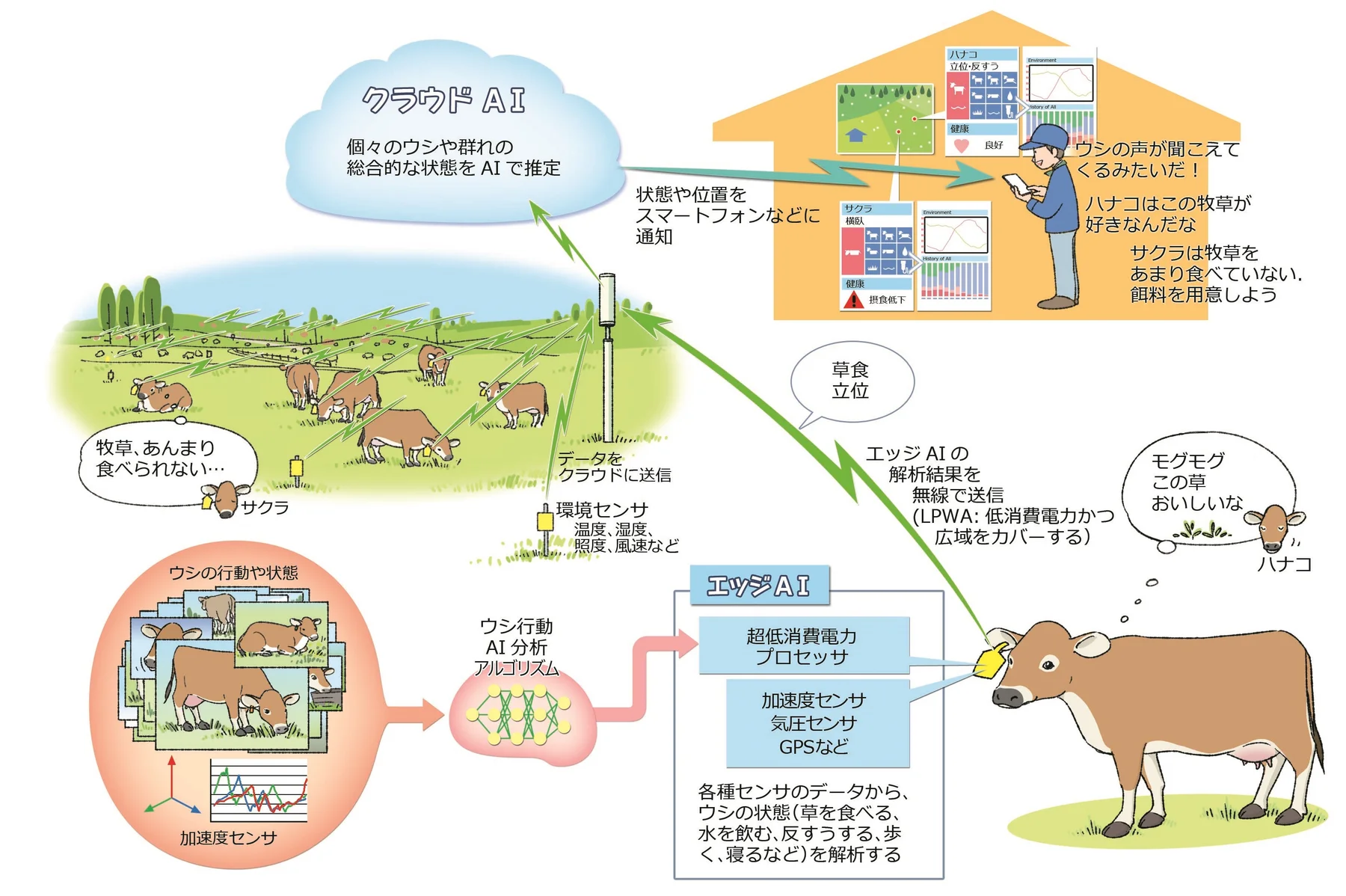
To make welfare-friendly management viable at low cost, we work with researchers in electronics and animal behavior. We have attached collar-type sensors to grazing cattle and used AI to infer complex behaviors and postures—drinking, feeding, lying, standing, walking—and are developing PETER, a grazing-cattle management system that combines a collar device with a cloud application for remote monitoring.

PETER grazing-cattle management system
Vision of future livestock practice
CONSUMER SIDE

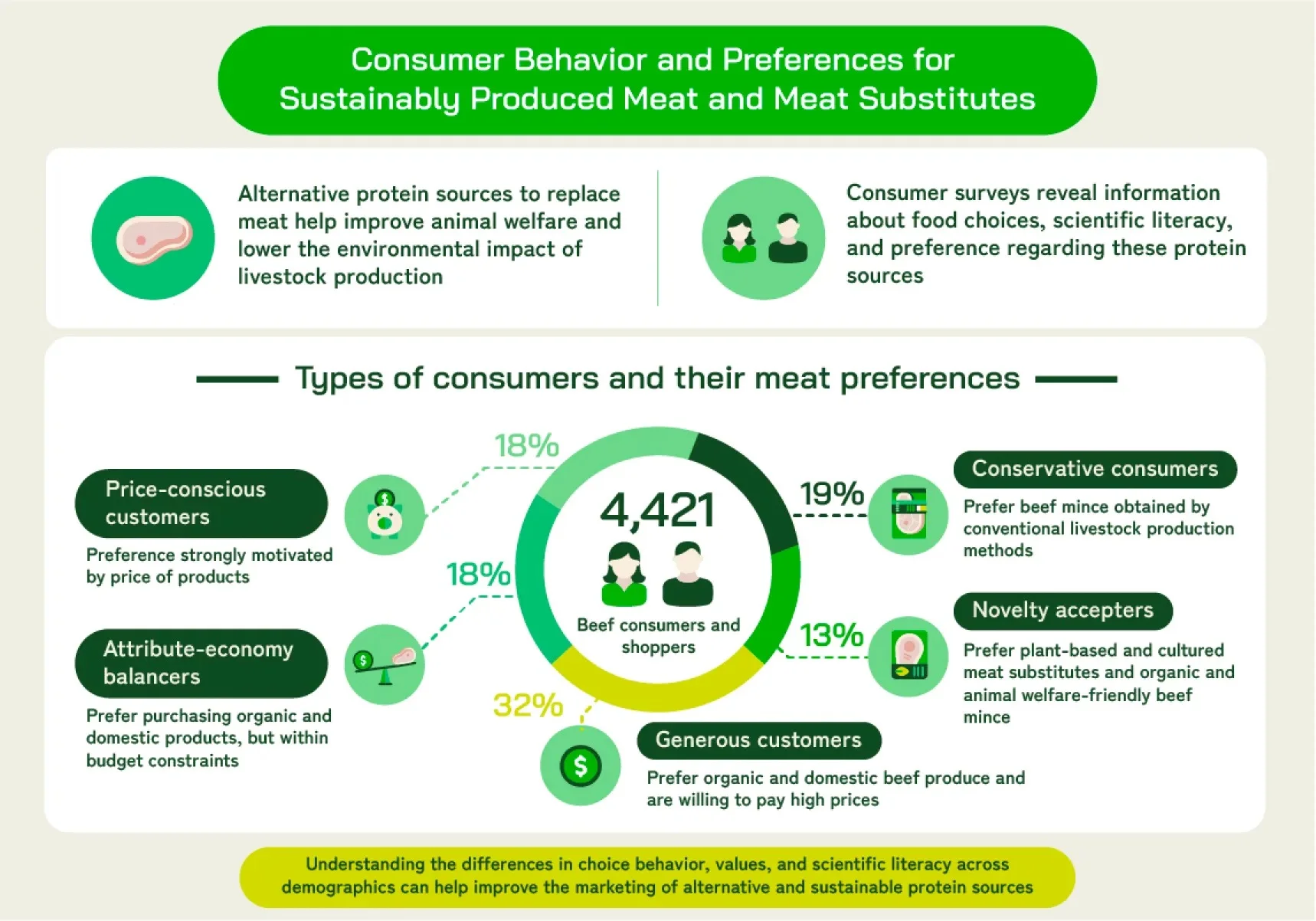
To explore the future of sustainable food supply, we surveyed 4,421 Japanese beef consumers about their purchasing behavior. The analysis identified five consumer segments. More than 80% of respondents preferred domestic organic beef and were willing to pay a premium. "Novelty seekers" rated alternative meats highly, while "price-focused" consumers prioritized cost-performance. A more accurate read on consumer values and preferences opens up paths to promoting sustainable protein use.

SUPPLY CHAIN

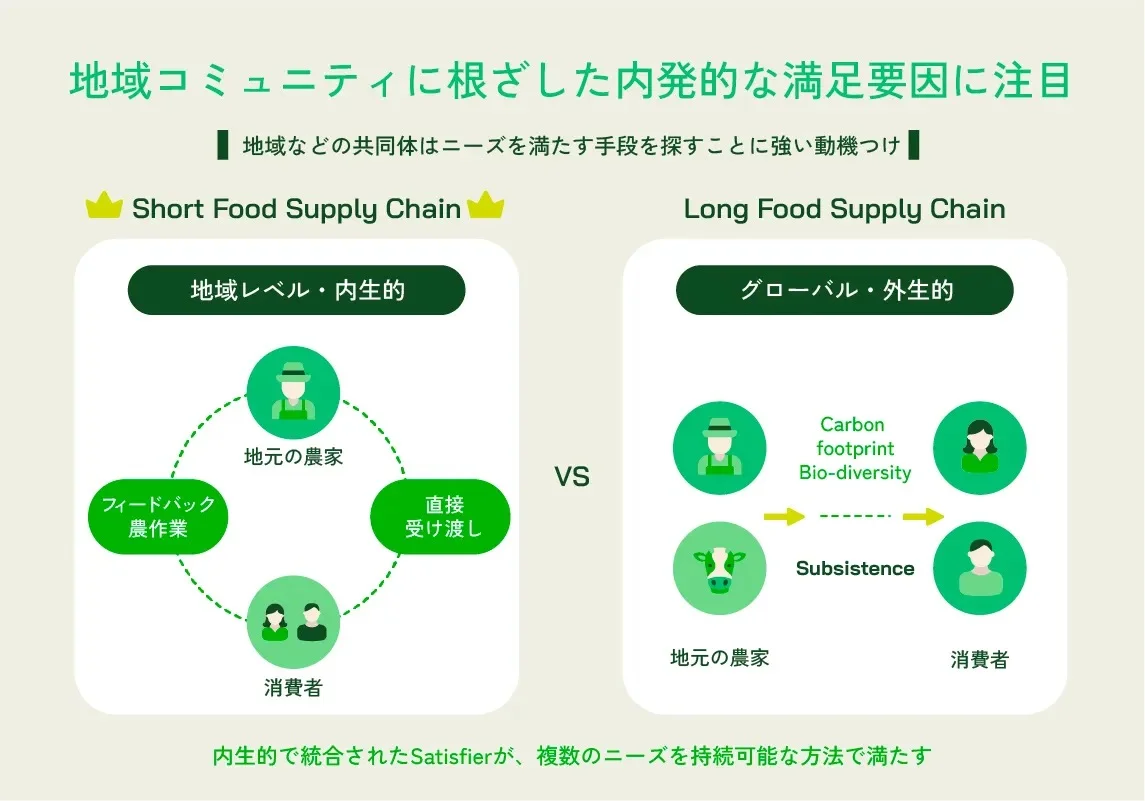
Short Food Supply Chains (SFSCs) have drawn growing attention as a way to make food systems more sustainable. SFSCs connect producers and consumers directly, minimizing the distance that locally produced food travels to reach the consumer. The expected benefits include reduced environmental impact, revitalized regional economies, and improved food safety.

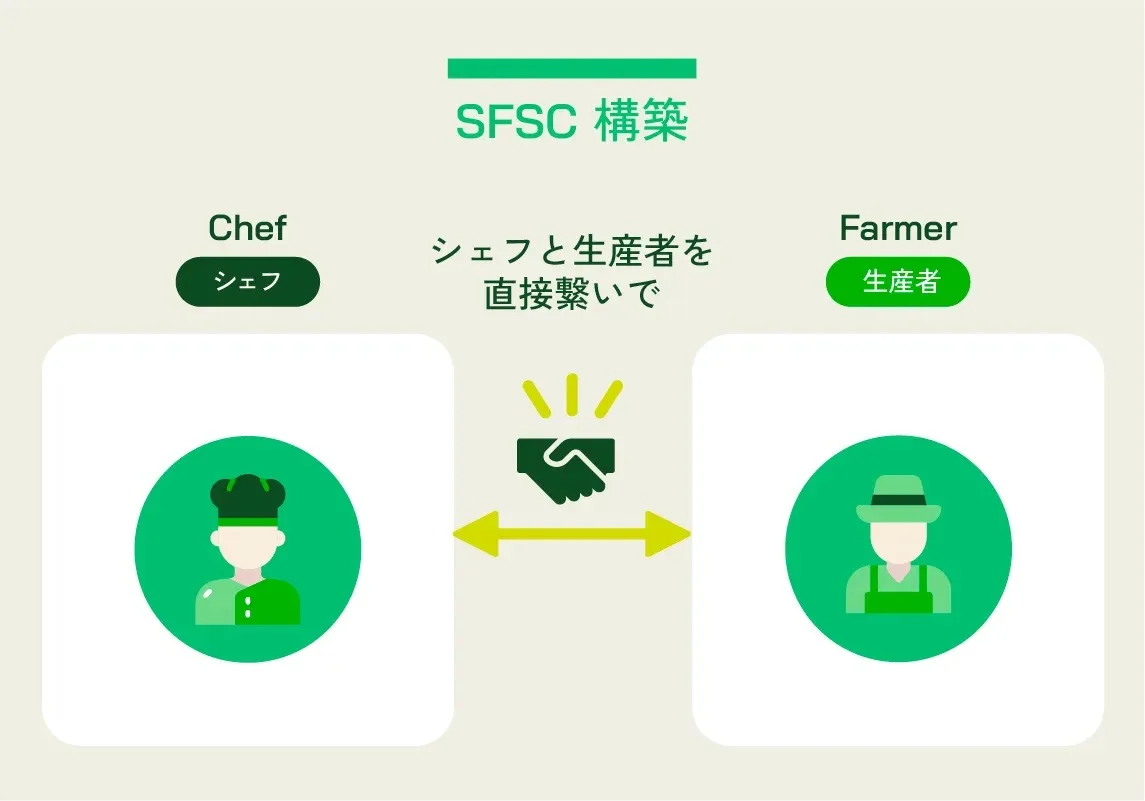
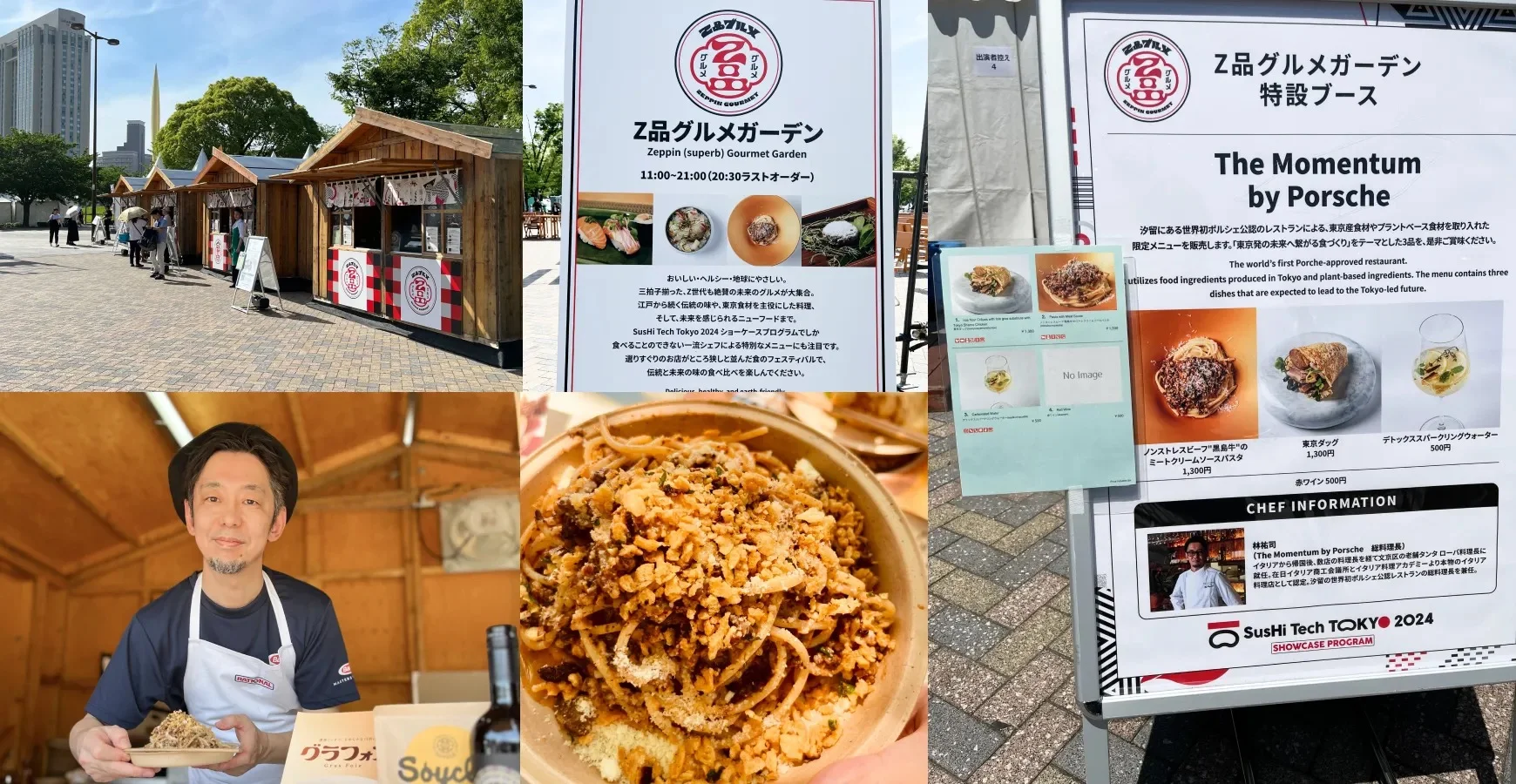
On Kuroshima, a small island in the Yaeyama archipelago where the lab has conducted fieldwork for years, welfare-friendly producers and chefs working on food-loss reduction meet directly to talk. We run field trials in which the story behind the ingredients—how they are raised, how they are produced—is communicated alongside the dish, offering consumers high-quality, welfare-conscious beef preparations with context.

02

Mapping Damage When Communications Infrastructure Fails

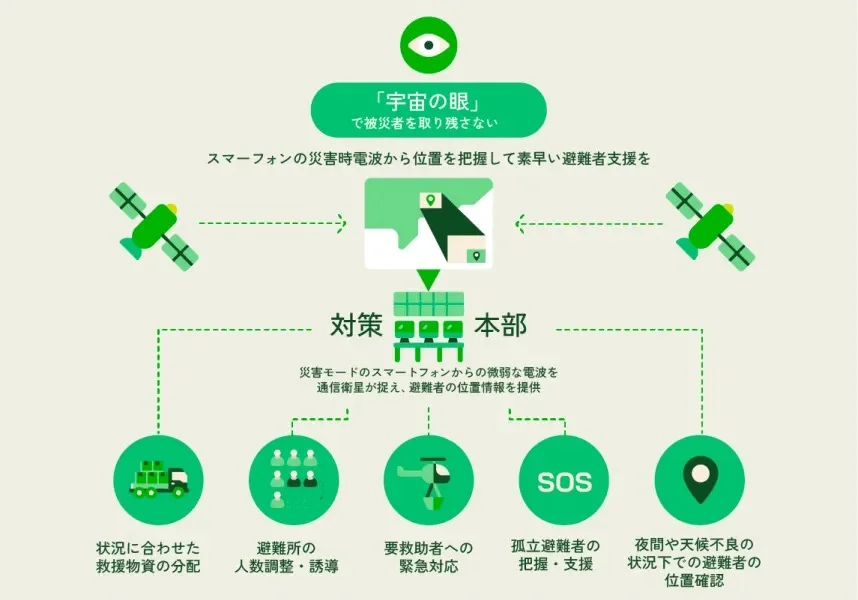
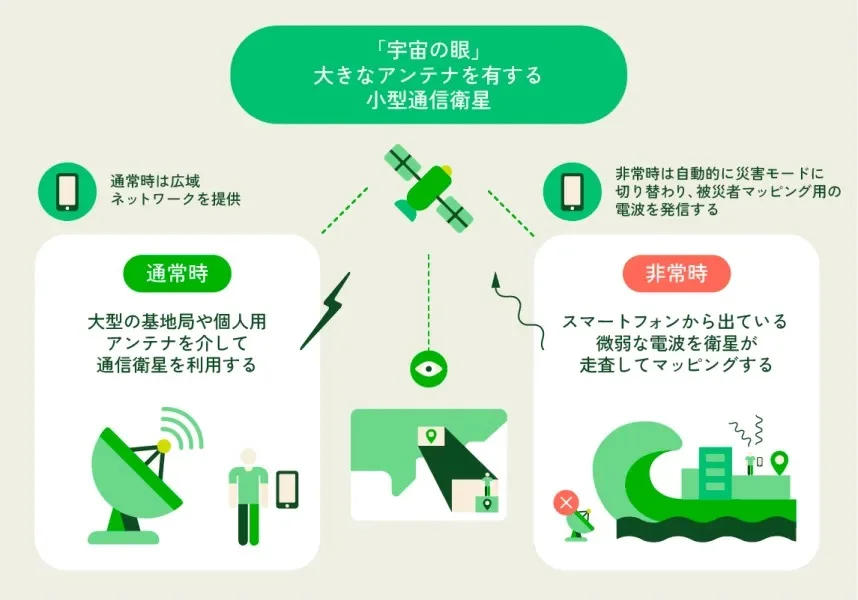
Aimed at leaving no survivor behind, the lab is designing a bidirectional communication system that uses satellites and smartphones to grasp the damage situation rapidly even when terrestrial communications go down during a major tsunami. The system is built by a transdisciplinary research team. Unlike conventional satellite or telecommunications technology, it uses the faint signals emitted by smartphones to map damage. Alongside the engineering, we design UI/UX that strengthens evacuation awareness and co-create disaster-mitigation strategy with municipalities.

BIDIRECTIONAL COMMUNICATION SYSTEM

To prevent survivors from being isolated, our research uses the faint radio signals emitted by smartphones to enable location sensing and communication during disaster. UI/UX design reinforces evacuation awareness, and municipal collaboration informs how the system can be used to prioritize rescue areas. A transdisciplinary team drives the work, aiming for mitigation strategies that hold earthquake and tsunami damage to the minimum.

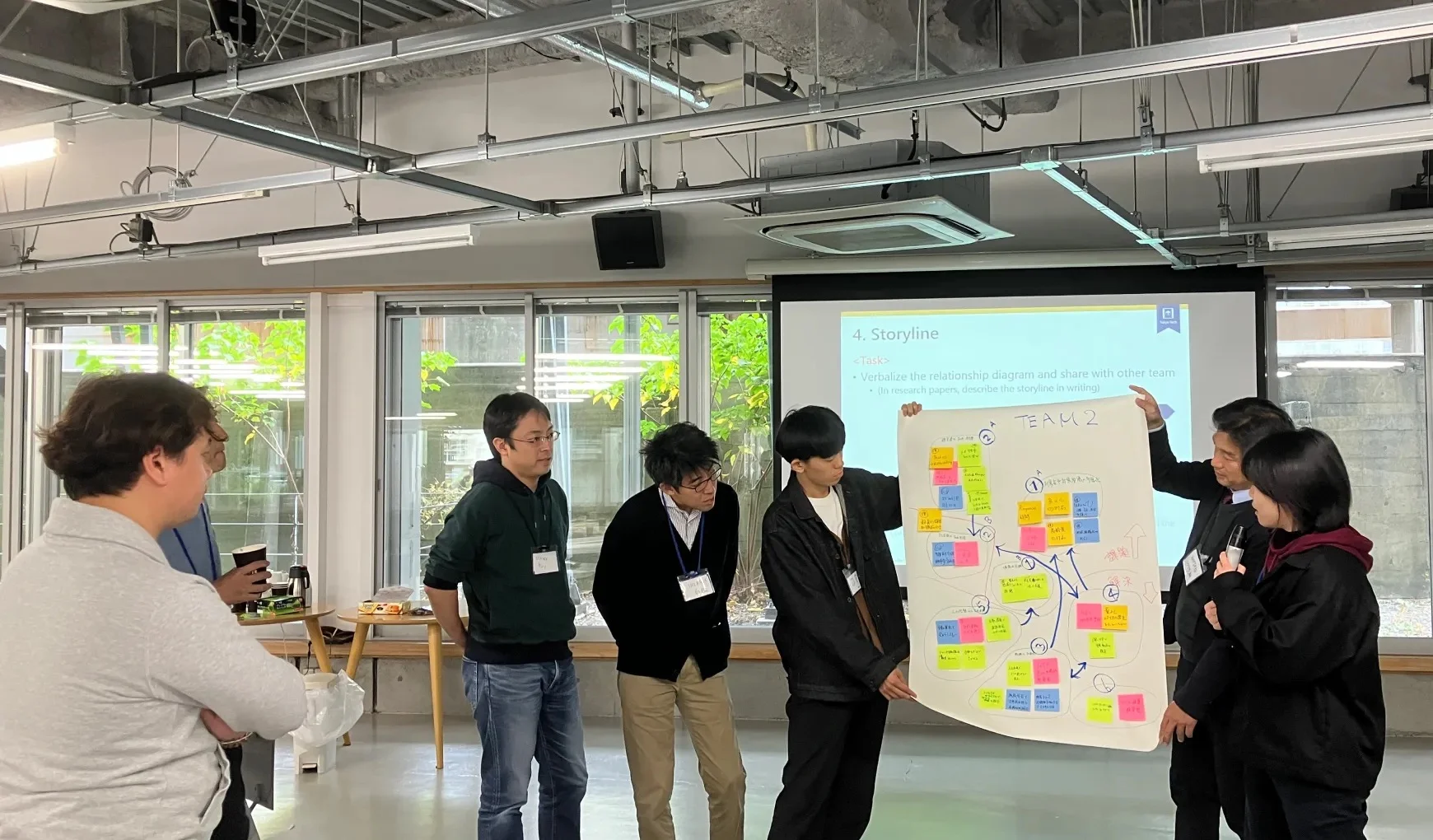
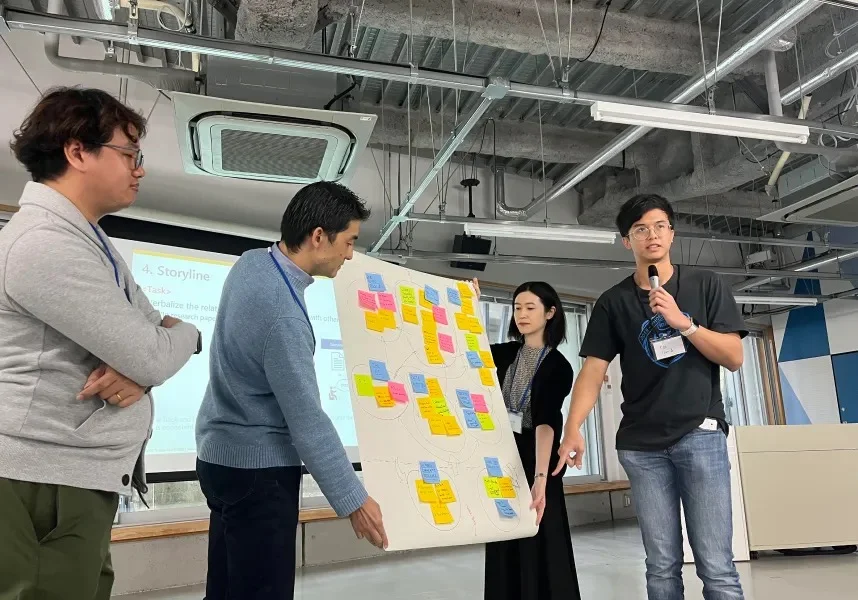
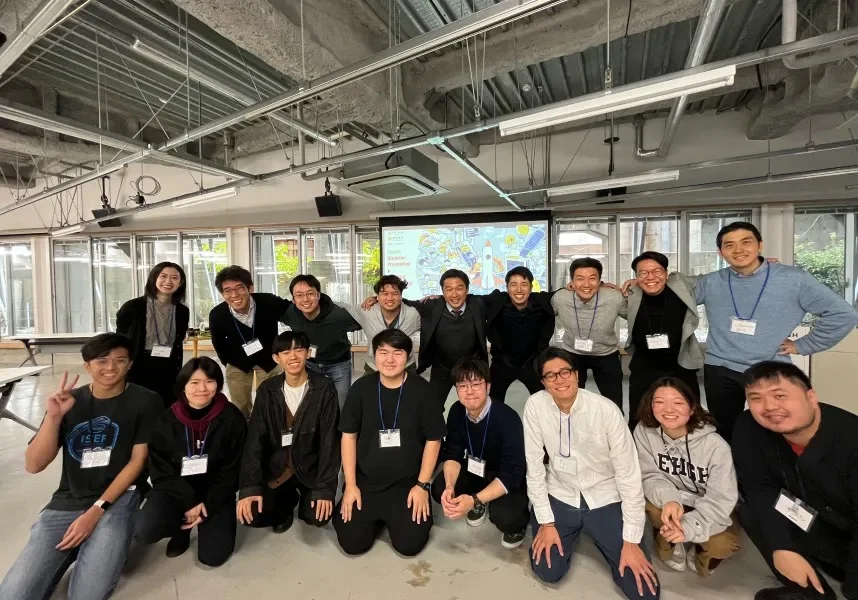
A defining feature of this project is the cross-domain team: experts from different fields integrate their knowledge through group work, identifying problems and assembling solutions transdisciplinarily.

03

Building a Transition Design Platform

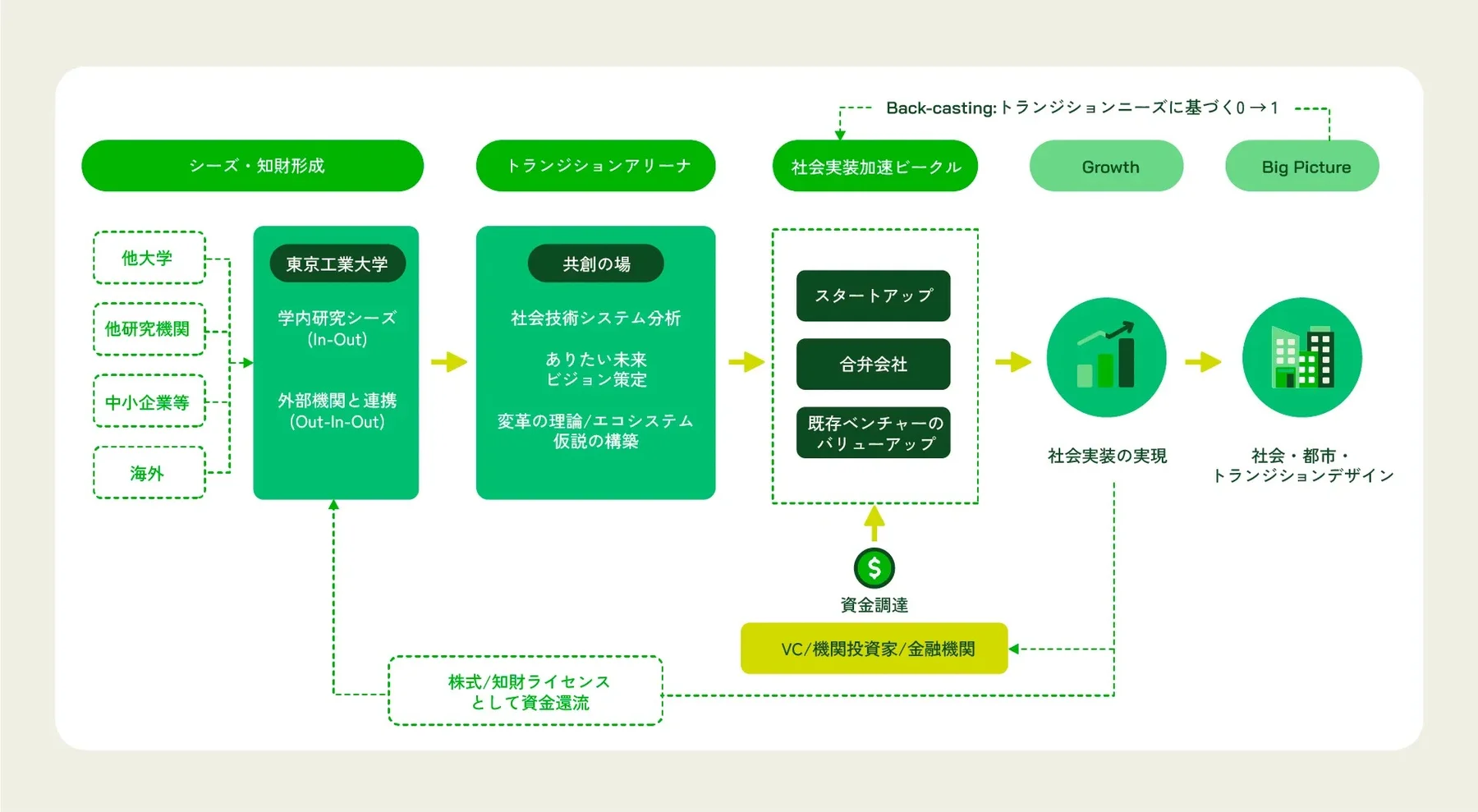
Anchored at Science Tokyo, the lab is building a Transition Design Platform—a new mechanism to accelerate the social implementation of innovative and disruptive research and development. The platform fosters an environment in which many stakeholders can collaborate to address wicked societal problems.

IMPLEMENTATION VISION

We establish methodologies grounded in transition design that can define a Big Picture for solving difficult societal problems. We then deploy these methodologies across government, municipalities, companies, and startups, launching a consortium that closely connects industry, government, academia, and finance to drive commercialization with momentum.